
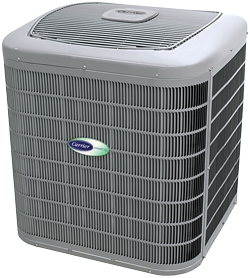
Cold weather can make your heat pump work harder, but that doesn’t mean it can’t stay efficient and keep your home warm. To keep your heat pump running efficiently in cold weather, make sure it’s well maintained, use smart thermostat settings, and improve your home’s insulation.
These simple steps help your system use less energy and last longer, even when temperatures drop. By understanding how your heat pump works in the cold, you can avoid common problems and save on energy bills.
At Sun Heating & Cooling, we help you get the most from your system with tips and services that fit your needs. Staying ahead of winter with the right care means fewer surprises and a cozier home.
Understanding How Heat Pumps Work in Cold Weather
Heat pumps pull heat from the outside air and move it inside to warm your home. When temperatures drop, they face specific challenges but still provide efficient heating.
Different types of heat pumps handle cold weather in unique ways, making it important to choose the right one for your home.
Heat Pump Operation Basics
A heat pump works by moving heat rather than creating it. It extracts warmth from the outdoor air, even when it’s cold, and transfers that heat indoors.
This process uses electricity but is more energy-efficient than traditional heating. Inside, a compressor helps push the heat through refrigerant lines.
This system reverses in warmer months to cool your home by removing indoor heat and releasing it outside. You can think of it as a refrigerator working backward.
In very cold weather, the heat pump may run less efficiently and sometimes uses a backup heater. Regular maintenance ensures your heat pump runs well, keeps energy bills down, and lasts longer.
Challenges of Low Temperatures
Cold weather can make it harder for heat pumps to find enough heat outdoors. When temperatures fall near or below freezing, the heat pump has to work harder, which can reduce efficiency.
Frost can build up on outdoor coils, causing the system to pause and defrost. This can temporarily reduce heating output and increase electricity use.
Newer models handle defrost cycles better, but frequent frost still impacts performance. Your heat pump might switch to a backup electric or gas furnace to keep your home warm during very low temperatures.
To reduce strain, keep your system clean and clear of snow or ice, and schedule regular checks with professionals like Sun Heating & Cooling.
Types of Heat Pumps for Cold Climates
Not all heat pumps perform well in cold weather. Air-source heat pumps are common but may lose efficiency below 20°F.
Cold-climate heat pumps are specially designed with advanced compressors and refrigerants to maintain better heat output at lower temperatures. Ground-source (geothermal) heat pumps draw heat from the earth, which stays warmer in winter.
These are more consistent in cold climates but usually cost more to install. Hybrid heat pump systems combine a heat pump with a furnace.
This setup switches automatically to the furnace in very cold weather to keep your home comfortable and save energy. Choosing the right heat pump depends on your local climate, home size, and budget.
For a personalized recommendation, you can count on Sun Heating & Cooling, your trusted HVAC experts.
Optimizing Heat Pump Settings
To keep your heat pump working well in cold weather, it’s important to adjust your thermostat, use smart controls properly, and keep the temperature steady. These steps help your system save energy and stay comfortable without extra wear.
Adjusting Thermostat for Efficiency
Set your thermostat a little higher than usual when it’s very cold outside. Avoid big jumps in temperature because your heat pump will work harder and use more energy.
For example, if you normally keep your home at 68°F, try setting it to 70°F on very cold days. Don’t lower the temperature at night or when you’re away.
Heat pumps are most efficient when they keep a steady temperature. If needed, use a backup heater during the coldest weather to support your heat pump.
Utilizing Smart Controls
Use programmable or smart thermostats to manage heating schedules. These devices can adjust the temperature automatically based on when you’re home or away.
This helps save energy by not running the heat pump when you don’t need it. Avoid the “Auto” fan mode.
Run your fan at a consistent speed, like “High,” to keep air flowing well. Regularly clean or replace filters to avoid reduced airflow, which lowers efficiency.
If you need help, Sun Heating & Cooling can set up your system for optimal control.
Setting a Consistent Temperature
Keeping a steady temperature, about 68°F, helps your heat pump run smoothly. Constant temperature means the system doesn’t have to work hard to heat up your home after a temperature drop.
Avoid turning your heat pump completely off or lowering the temperature too much during cold spells. Even small setbacks cause your heat pump to use more energy.
Make your home more efficient by sealing leaks and adding insulation. This keeps heat inside and helps your heat pump perform better.
Regular Maintenance for Peak Performance
Keeping your heat pump running well during cold weather needs a few important steps. You want to stay on top of cleaning, checking the outdoor parts, and getting expert help when needed.
These actions keep your system efficient and help avoid problems when you need heat the most.
Cleaning or Replacing Filters
Your heat pump’s filters catch dust and dirt to keep the air clean. When filters get clogged, airflow decreases, making your unit work harder.
This cuts its efficiency and raises your energy bills. Check your filters every 1 to 3 months during winter.
If they look dirty or clogged, clean washable filters with water and let them dry. Replace disposable filters with new ones.
Always use the size and type your heat pump needs. Having clean filters helps your heat pump keep warm air flowing freely while using less energy.
Inspecting Outdoor Units
The outdoor unit faces snow, ice, and debris in cold weather. These elements can block airflow or freeze on the coils, hurting your heat pump’s ability to work.
Keep the area around the outdoor unit clear of leaves, snow, and ice. Gently brush away buildup on the coils with a soft broom or brush.
Avoid sharp tools that can damage the fins. Also, check if the unit is level and firmly on its base.
A tilted unit can cause mechanical problems. Inspecting your outdoor unit every few weeks during winter makes sure it stays in top shape and prevents costly repairs.
Scheduling Professional Tune-Ups
Even if you are good at small checks, a professional tune-up twice a year helps extend your heat pump’s life. Experts from Sun Heating & Cooling can find issues you might miss.
During a tune-up, they clean internal components, check refrigerant levels, tighten electrical connections, and test the system’s overall function. This service stops small problems from becoming big repairs.
Set up a maintenance schedule with your trusted HVAC experts. A tune-up before cold weather hits keeps your heat pump ready for winter’s demands and helps save on energy costs.
Improving Home Insulation and Air Sealing
Keeping your home well insulated and tightly sealed helps your heat pump work better in cold weather. This means less heat escapes, your system runs less, and you save on energy bills.
Sealing Drafts and Leaks
Drafts let cold air in and warm air out, making your heat pump work harder. Check around doors, windows, electrical outlets, and vents for cracks or gaps.
Use weatherstripping or caulk to seal these leaks. Don’t forget to look at places where different building parts meet, like where walls meet the foundation or roof.
Even small gaps can let in cold air. Sealing these drafts reduces heat loss and helps your heat pump keep your home cozy without running nonstop.
Upgrading Window Insulation
Windows are a major source of heat loss in winter. You can improve their insulation by adding storm windows or installing double- or triple-pane glass if you’re ready for an upgrade.
Using thick curtains or thermal blinds also helps reduce heat loss at night. You can apply window film to block cold air and reduce drafts.
These steps create an extra barrier that keeps warm air inside your home and supports your heat pump’s efficiency.
Adding Attic and Wall Insulation
Attics and walls hold a lot of your home’s heat. Adding insulation in these areas makes a big difference in how well your heat pump performs.
You can use materials like fiberglass, foam board, or spray foam insulation, depending on your home’s needs. Proper insulation fills spaces and prevents warm air from leaking out through your roof or walls.
Sun Heating & Cooling can help you find the best insulation options for your home and climate. Better insulation means your heat pump won’t have to work as hard to stay warm.
Preventing and Managing Ice Buildup
Ice buildup can lower your heat pump’s efficiency and block airflow. Keeping the outdoor unit clear and ensuring proper operation of its features help prevent damage and maintain heat output.
You also need good drainage around the unit to stop water from freezing under it.
Clearing Snow from Outdoor Units
Snow and ice can cover your heat pump’s outdoor unit and block airflow. After a snowfall or ice storm, gently remove snow using a broom or brush.
Avoid sharp tools or excessive force that could damage the fins or coils. Make sure the area around the unit is clear of snow, leaves, and other debris.
This lets air flow freely, helping the pump work better. If your heat pump is in a windy or exposed spot, you might consider installing a shelter to reduce snow buildup.
Ensuring Proper Drainage
Water that collects and freezes under your heat pump causes ice buildup and blocks heat transfer. Clear away leaves, dirt, and snow near the base to allow water to drain properly.
Check the unit’s drain pan and pipes regularly to ensure they aren’t clogged. Adding a slight slope under the heat pump pad can also help water flow away from the unit, preventing ice formation beneath it.
Using Defrost Modes Effectively
Most heat pumps have a defrost mode that melts ice from the coils automatically. This feature switches on when sensors detect ice buildup.
Do not turn off or block this cycle because it keeps your pump running smoothly. If ice keeps forming quickly, it might mean your heat pump needs maintenance or a technician should inspect the defrost control.
For year-round reliability, you can trust Sun Heating & Cooling to help keep your heat pump in top shape during the cold months.
Enhancing Airflow Around the Heat Pump
Good airflow around your heat pump helps it work better in cold weather. You want to keep the area clear so air can move freely.
That means getting rid of anything blocking the unit and making sure plants nearby don’t get in the way.
Removing Debris and Obstructions
Check around your heat pump often for leaves, snow, dirt, and other debris. These can block airflow and make the unit work harder, which wastes energy and can cause damage.
Clear away any clutter within at least two feet of the outdoor unit. If snow builds up, gently brush it off without pushing it inside the machine.
Keep the area dry and clean to help the heat pump run smoothly all winter. A simple routine of removing debris will improve your system’s efficiency and could save you money on heating bills.
If you’re not sure how to clean your unit safely, you can call Sun Heating & Cooling for advice or help.
Trimming Nearby Vegetation
Plants and bushes near your heat pump can block airflow if they grow too close. Trim back any branches or shrubs so there is at least two feet of open space around the unit.
Watch out for fast-growing plants during fall, so they don’t get too close to the heat pump before winter. Keeping vegetation trimmed improves air circulation and helps your heat pump avoid damage from leaves and sticks.
If your yard has many plants near the unit, try to keep them maintained through the cold months. Proper airflow means your heat pump won’t need extra work to keep your home warm.
If trimming is tough or you want tips, Sun Heating & Cooling can provide expert guidance.
Supplemental Heating Options and When to Use Them
When temperatures drop very low, your heat pump might need help to keep your home warm. Adding extra heating can fill the gaps during cold spells.
You can do this by using backup heating systems or by choosing smart, cost-saving fuel options.
Integrating Backup Systems
Backup heaters can boost your heat pump’s heat when it struggles in very cold weather. Portable electric heaters are one option for extra warmth in rooms you use the most.
Another popular choice is adding an electric resistance heater to your system. Backup heaters kick in automatically or manually when the heat pump alone can’t keep up.
This helps avoid cold spots and keeps your home comfortable without making your heat pump work too hard. Make sure your backup system matches your home’s size and heating needs.
For advice on the best setup, contact Sun Heating & Cooling. We can help you find the right backup that fits your budget and home layout.
Managing Costs with Dual-Fuel Solutions
Dual-fuel systems combine a heat pump with a gas furnace for better efficiency and savings. When it’s above freezing, the heat pump runs to save energy.
Below freezing, the gas furnace takes over to keep your home warm without high electric costs. This switch happens automatically based on outside temperature, giving you comfort and control.
You get the best of both worlds—low costs when it’s mild and powerful heat when it’s very cold. Sun Heating & Cooling can install and maintain these systems for reliable cold-weather performance.
Monitoring Energy Usage During Winter
Keeping an eye on your heat pump’s energy use during winter helps you spot problems early and adjust settings to save money. You’ll learn how to track your consumption clearly and notice patterns that affect your heat pump’s performance.
Tracking Energy Consumption
Start by checking your monthly energy bills to see how much power your heat pump uses. Compare these bills over several months to get a clear picture of your winter energy use.
If you have a smart meter or energy monitor, use it. These tools show real-time energy use.
You can spot spikes or drops quickly, so you know when your heat pump is working harder than usual. Write down your energy use weekly or monthly.
This record helps you catch unusual changes and decide when to call for maintenance. Sun Heating & Cooling can help you interpret these details and recommend fixes to keep your system running smoothly.
Identifying Efficiency Trends
Look for patterns in your energy use to find efficiency trends. For example, does your heat pump use more energy on very cold days?
Does energy use increase when you raise the thermostat? Notice if your heat pump runs longer than expected.
This could mean it needs service or there are leaks in your home letting warm air out. Use a simple table like this to track data:
| Week | Average Temp (°F) | Energy Use (kWh) | Notes |
|---|---|---|---|
| 1 | 30 | 150 | Normal use |
| 2 | 25 | 180 | Higher use, cold |
| 3 | 32 | 140 | Lower, mild temps |
This helps you see if energy rises because of colder weather, thermostat settings, or system problems. Regular checks and good maintenance from Sun Heating & Cooling can keep your heat pump efficient all season.
Upgrading to Advanced Technologies
Upgrading your heat pump with newer technology can improve how well it works when it’s cold outside. You can save energy and keep your home comfortable even in freezing temperatures by using smarter parts that adjust to your needs.
Benefits of Inverter-Driven Compressors
Inverter-driven compressors are a big step up from traditional models. Instead of running at full power all the time, they adjust their speed based on how much heat your home needs.
This means they use less energy and reduce wear and tear. Because the compressor can slow down, it avoids turning on and off frequently.
That helps keep your indoor temperature steady without big swings. It also leads to quieter operation.
With these compressors, your heat pump can keep heating your home efficiently even when it’s very cold outside. This technology is a smart choice if you want reliable warmth and lower electric bills.
Considering Smart Sensors
Smart sensors help your heat pump respond to changes more quickly. They track indoor and outdoor temperatures as well as humidity.
This information allows your system to adjust heat output for comfort and energy savings. Some sensors also monitor air quality or detect when rooms are occupied.
This lets the heat pump focus heating where it’s needed most. That can cut down on wasted energy.
Installing smart sensors often means fewer service calls because problems can be detected early. If you want an efficient and smarter heat pump, adding these sensors is worth considering.
Sun Heating & Cooling can help you upgrade your system with these technologies to get the best performance during cold weather.
Frequently Asked Questions
Keeping your heat pump running well in cold weather means using the right settings, understanding when efficiency drops, and knowing how to help your system manage low temperatures. Managing these details helps your heat pump work better and last longer.
What are the best settings for my heat pump during the winter months?
Set your heat pump to “heat” mode instead of “auto” to avoid frequent switching between heating and cooling. Use a consistent temperature setting to prevent the system from working too hard.
If your heat pump has a variable speed fan, run it at a steady level for better efficiency.
At what outdoor temperature does a heat pump start to lose efficiency?
Most modern heat pumps work well down to about -15°C (5°F). Below this, performance can drop. Traditional models may lose efficiency once temperatures fall below 5°F.
At very low temperatures, auxiliary heating might be needed to keep your home warm.
Are there any tricks to help my heat pump operate more effectively in low temperatures?
Make sure your outdoor unit stays clear of ice and snow. Use a defrost mode if your system has one to prevent ice buildup.
Avoid letting indoor temperatures drop too low overnight. Running your heat pump steadily helps it maintain warmth more efficiently.
How frequently should my heat pump cycle on and off when it’s really cold outside?
Your heat pump should run mostly continuously when it’s very cold. Turning on and off too often uses more energy and wears out parts faster.
A modern variable speed heat pump can run smoothly without cycling on and off.
What’s the 20-degree rule for operating heat pumps, and how do I apply it?
This rule suggests you keep your thermostat setting within 20°F of the outdoor temperature. Don’t set your heat pump to heat your home too high when it’s very cold outside.
Keeping settings closer to outdoor temps helps your heat pump avoid overworking.
Can poor performance of heat pumps in chilly weather be improved, and how?
Yes. Regular maintenance like cleaning filters and checking outdoor units can improve performance.
Consider upgrading to a cold climate heat pump for better efficiency.
For expert tuning and repairs, contact Sun Heating & Cooling. They can help ensure your system works well all winter.
